
Hoox Guide
- 01Step 1: Audit Your Current UGC Stack and Find the Real Cost
- 02Step 2: Define Your AI-UGC Creative Testing Strategy
- 03Step 3: Write Your First High-Converting AI-UGC Scripts
- 04Step 4: Produce Your AI-UGC Videos with the Hoox Stack
- 05Step 5: Structure Your Distribution Plan and Creative Tests
- 06Step 6: Adapt Your AI-UGC to Each Platform
- 07Step 7: Analyze, Scale, and Industrialize Your Creative Production
- 08Key Takeaways
- 09Conclusion
How to cut your video production costs by 30 to 50x while testing 10x more creatives — without depending on a single human creator.
The influencer market is booming, but the traditional UGC model is strangling DTC brands: too expensive, too slow, too unpredictable. AI-UGC fundamentally changes the equation. Here's how to make it work for your e-commerce business, step by step.
01Step 1: Audit Your Current UGC Stack and Find the Real Cost
Before making the switch, measure what you're actually losing with human UGC. Most brands massively underestimate their true total cost.
Calculate your real cost per video:
| Cost item | Real estimate |
|---|---|
| Creator fee | €200 to €500 per video |
| Briefing + back-and-forth | 1 to 3 hours of your time |
| Delivery time | 2 to 3 weeks |
| Unplanned revisions | Often +€50 to €150 |
| Cancellations / no-shows | 1 in 4 creators on average |
Questions to ask yourself:
- How many angle variants are you testing per campaign right now?
- What's your current CPA on video ads vs. your targets?
- How many weeks pass between a creative idea and going live?
💡 If you're testing fewer than 3 angles per campaign, you're leaving ROAS on the table. Creative testing is the #1 performance variable on Meta and TikTok Ads in 2025.
02Step 2: Define Your AI-UGC Creative Testing Strategy
AI-UGC isn't just a drop-in replacement for human UGC — it's a creative volume lever you've never had access to before. To get the most out of it, build a real testing strategy around it.
The 3-variable framework to prioritize in your tests:
1. The hook angle (the first 3 seconds)
- Problem/solution: "My skin had been dry for 3 years..."
- Direct result: "I lost 4kg in 30 days with this one change..."
- Curiosity/contrast: "Why 80% of people are doing this completely wrong..."
- Social proof: "15,000 customers can't all be wrong..."
2. The avatar profile
- Apparent age, gender, style
- Match the avatar to your exact target persona
3. Duration
- 15 seconds: ideal for top-of-funnel, awareness, TikTok
- 30 seconds: ideal for mid-funnel, conversion, Meta
The 10-variant rule: Always launch a minimum of 5 to 10 variants simultaneously. With AI-UGC at €6–12 per unit, testing 10 angles costs you less than €120 — roughly the price of a single human UGC video.
03Step 3: Write Your First High-Converting AI-UGC Scripts
The script is the foundation of your performance. A well-scripted AI-UGC video will outperform any poorly briefed human UGC. Use this proven structure.
The 4-part structure for a 15–30s video:
Concrete example for a skincare brand (Jeliskin-style):
[0-3s] "My skin was so dry, my foundation would literally crack."
[3-10s] "After 7 days with this serum, I had glowing, hydrated skin again."
[10-20s] "The 3% Niacinamide formula works directly on the skin barrier — not just the surface."
[20-30s] "Try it for 7 days. Link in bio."
3 golden rules for your scripts:
- 1 benefit per video — don't dilute your message
- Speak in "you" — never formal, never generic
- Always include a specific number — "7 days," "4kg," "15,000 customers" builds instant credibility
04Step 4: Produce Your AI-UGC Videos with the Hoox Stack
Here's how to go from idea to publish-ready video in under an hour with Hoox's MCP stack.
The tech stack:
- Nano Banana Pro: photorealistic avatar generation
- Claude: script optimization and variation
- Veo 3: high-quality video rendering
- Hoox: full pipeline orchestration
Step-by-step process on app.hoox.video:
① Choose your avatar
Select the profile that matches your target persona: age, gender, style. Hoox avatars are photorealistic — indistinguishable from a real UGC creator under real-world feed conditions.
② Load your script
Paste your script directly. You can generate multiple variations of the same script using the integrated Claude to multiply your angles with no extra effort.
③ Set your format
- Vertical 9:16 for TikTok / Instagram Reels / Meta Ads
- Square 1:1 for select Meta placements
- Duration: 15s or 30s depending on your objective
④ Launch generation
Your video is ready in minutes. Not 2–3 weeks.
⑤ Export and iterate
Download, load into your ad manager, analyze results at 48–72 hours, and relaunch your winning variants.
💰 The math: 10 x 30s videos = €100 to €120. With human UGC, you'd have spent €2,000 to €5,000 for the same volume — and waited 3 weeks.
05Step 5: Structure Your Distribution Plan and Creative Tests
Producing AI-UGC videos without a distribution plan means wasting your competitive edge. Here's how to organize your launches to maximize algorithmic learning.
The 4-week testing calendar:
| Week | Action | Creative budget | Goal |
|---|---|---|---|
| W1 | Launch 10 variants with different angles | ~€120 | Identify the 2–3 winning angles |
| W2 | Go deeper on the 3 best angles (different avatars) | ~€80 | Refine the avatar profile |
| W3 | Scale the 2 best angle + avatar combos | ~€60 | Find the top-performing combination |
| W4 | Iterate on the scripts of your winners | ~€60 | Optimize CPA |
Total creative budget over 4 weeks: €320
With human UGC, you'd have launched just 1 to 2 videos over the same period for the same spend.
Performance signals to watch at 48 hours:
- Hook rate (3-second view rate): target > 30%
- Watch-through rate: target > 50% at mid-video
- CTR: target > 1.5% on Meta, > 2% on TikTok
- CPA: consistently benchmark your AI-UGC variants against your previous creatives
06Step 6: Adapt Your AI-UGC to Each Platform
Every platform has its own language. A video optimized for TikTok won't necessarily perform the same way on Meta. The advantage of AI-UGC: you can adapt without any significant added cost.
TikTok Ads & TikTok Organic:
- Ultra-direct hook within the first 1.5 seconds
- Natural, conversational tone — slightly raw is fine
- On-screen text mandatory in the first 3 seconds
- Ideal duration: 15 to 21 seconds
Meta Ads (Instagram Reels + Facebook Feed):
- The first 3 seconds must work without sound (auto-captions)
- Tone can be slightly more polished than TikTok
- Heavy testing on hooks: that's where CTR is won or lost
- Ideal duration: 15 to 30 seconds
YouTube Shorts:
- An emerging format for DTC in 2025
- Ideal for high purchase-intent categories (beauty, fitness, home)
- Ideal duration: 30 seconds with a strong CTA at 20s
Pinterest Video Ads:
- Particularly strong reach with women aged 25–45
- Works best with an "inspiration" or "strong visual result" angle
- Ideal duration: 15 seconds
💡 Production tip: Always generate the same video in both 9:16 and 1:1 on Hoox. It costs a few extra euros per variant and covers all Meta placements in one shot.
07Step 7: Analyze, Scale, and Industrialize Your Creative Production
AI-UGC gives you an unprecedented volume of creative output. To truly capitalize on it, you need to build a continuous learning loop — not just churn out videos at scale.
The 5-step optimization cycle:
① Tag your creatives from the start
In your ad manager, use a clear naming convention:
`[Channel]_[Avatar]_[Angle]_[Duration]_[Date]`
Example: `META_F30_PROBLEM_30s_2025-06`
② Build your winners swipe file
Document every video that hits below your target CPA. Note the angle, script, avatar, and duration. This is your creative database.
③ Identify winning patterns
After testing 30 creatives, patterns will emerge: certain angles consistently outperform in your category. Double down on them.
④ Refresh regularly
Even your best AI-UGC creatives will fatigue after 3 to 6 weeks. Schedule a monthly production session to keep your pipeline fed.
⑤ Compare your KPIs before and after
Measure concretely:
- CPA before AI-UGC vs. after
- Number of variants tested per month
- Time from idea to publish
- Total monthly creative spend
🎯 Realistic 90-day target: -30 to -50% on your creative CPA, 10x your testing volume, production time reduced from 3 weeks to a few hours.
08Key Takeaways
- Human UGC costs €200 to €500 per video with a minimum 2–3 week turnaround — AI-UGC costs €6 to €12 with delivery in hours. This isn't a comparison anymore; it's a different market entirely.
- Creative testing is the #1 performance variable on Meta and TikTok in 2025: without creative volume, your CPA stays stuck while your competitors scale past you.
- 10 AI-UGC variants cost less than 1 human UGC video — you can finally test every angle, avatar, and format you couldn't afford to before.
- The script is still the foundation: an AI-UGC video with a weak script underperforms. Invest your time in copywriting, not creator logistics.
- Creative industrialization is a durable competitive advantage: brands that master AI-UGC volume today are building an asymmetry that will be very hard for their competitors to close.
- Cheerz, Lancaster, and Jeliskin have already made the switch — the signal is clear: this isn't a test anymore, it's the new standard for high-performing DTC brands.
09Conclusion
Influencer budgets are climbing into 2026. But the DTC brands that will truly scale aren't the ones who spend the most — they're the ones who produce the most intelligently.
AI-UGC doesn't replace creativity. It removes the friction that was stopping you from producing enough of it to find what actually works.
You now have the complete framework to take action: audit your current costs, structure your creative testing strategy, produce your first AI-UGC videos, and industrialize your creative pipeline.
The question is no longer "does it work?" — Cheerz, Lancaster, and Jeliskin have already answered that.
The question is: how many weeks until you make the switch?
👉 Start producing your first AI-UGC creatives today at hoox.video
👉 Go straight to the app at app.hoox.video
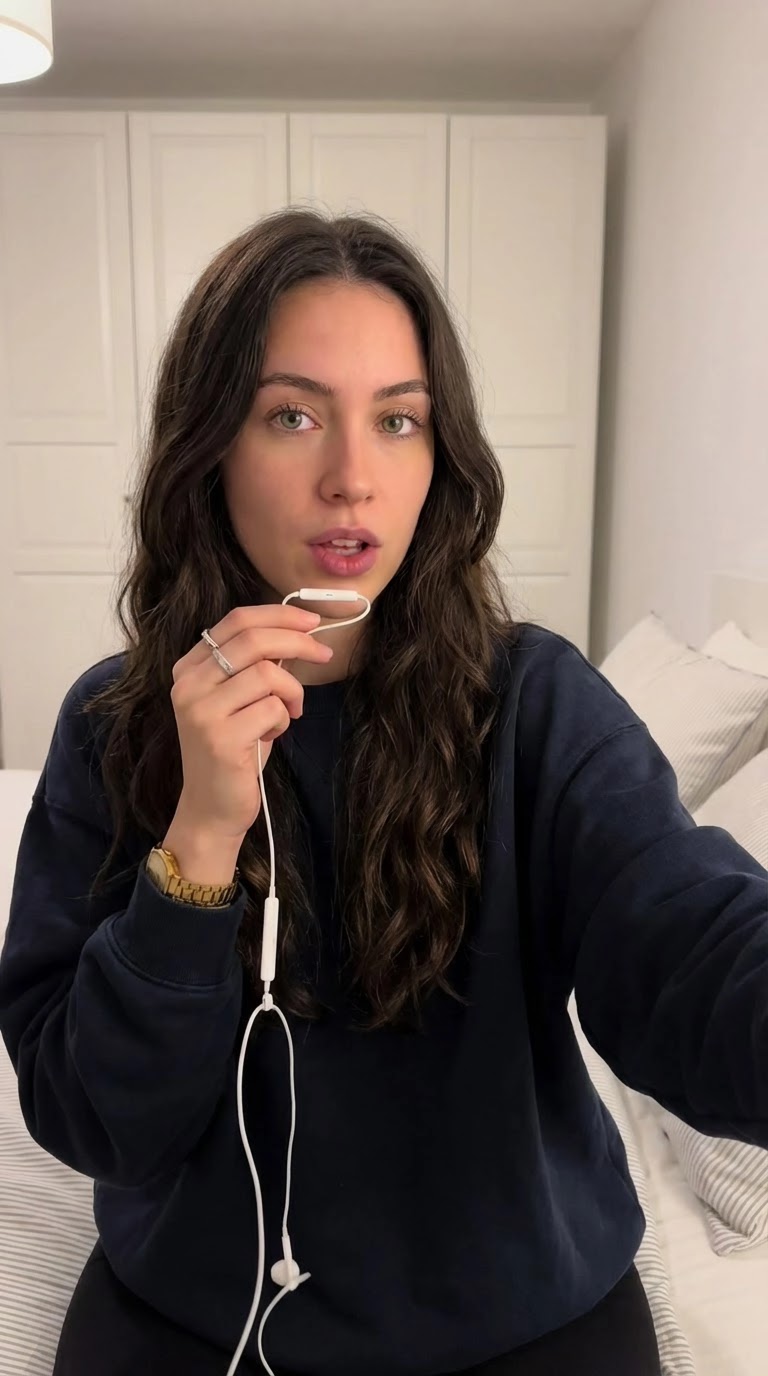
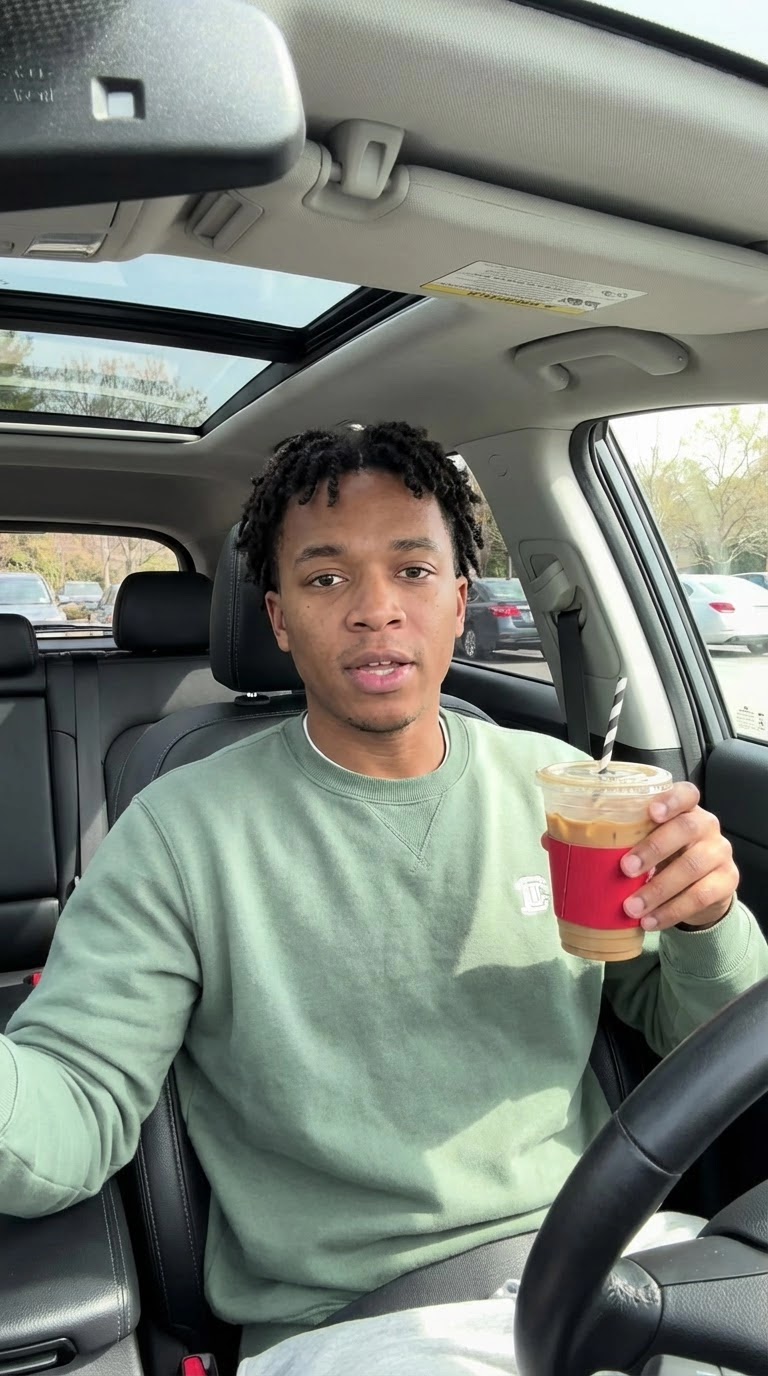
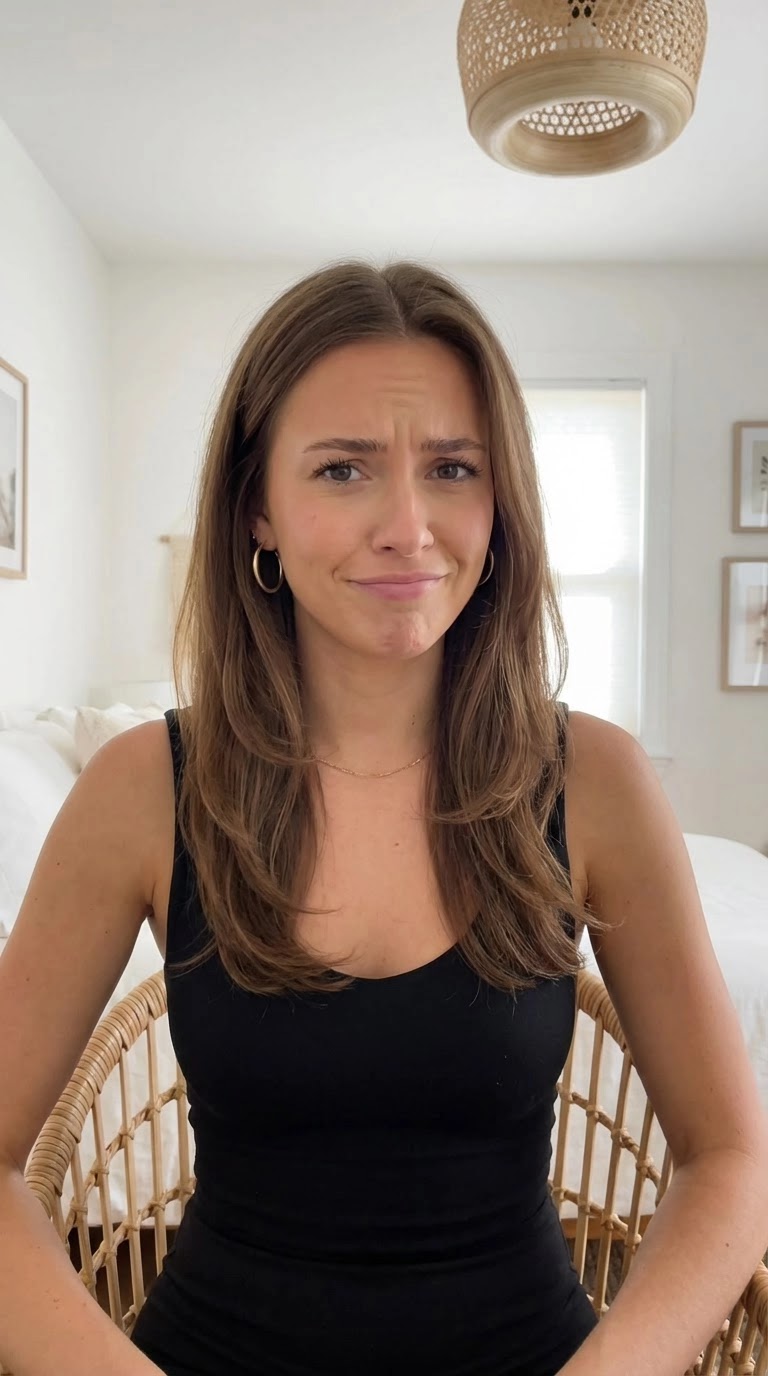
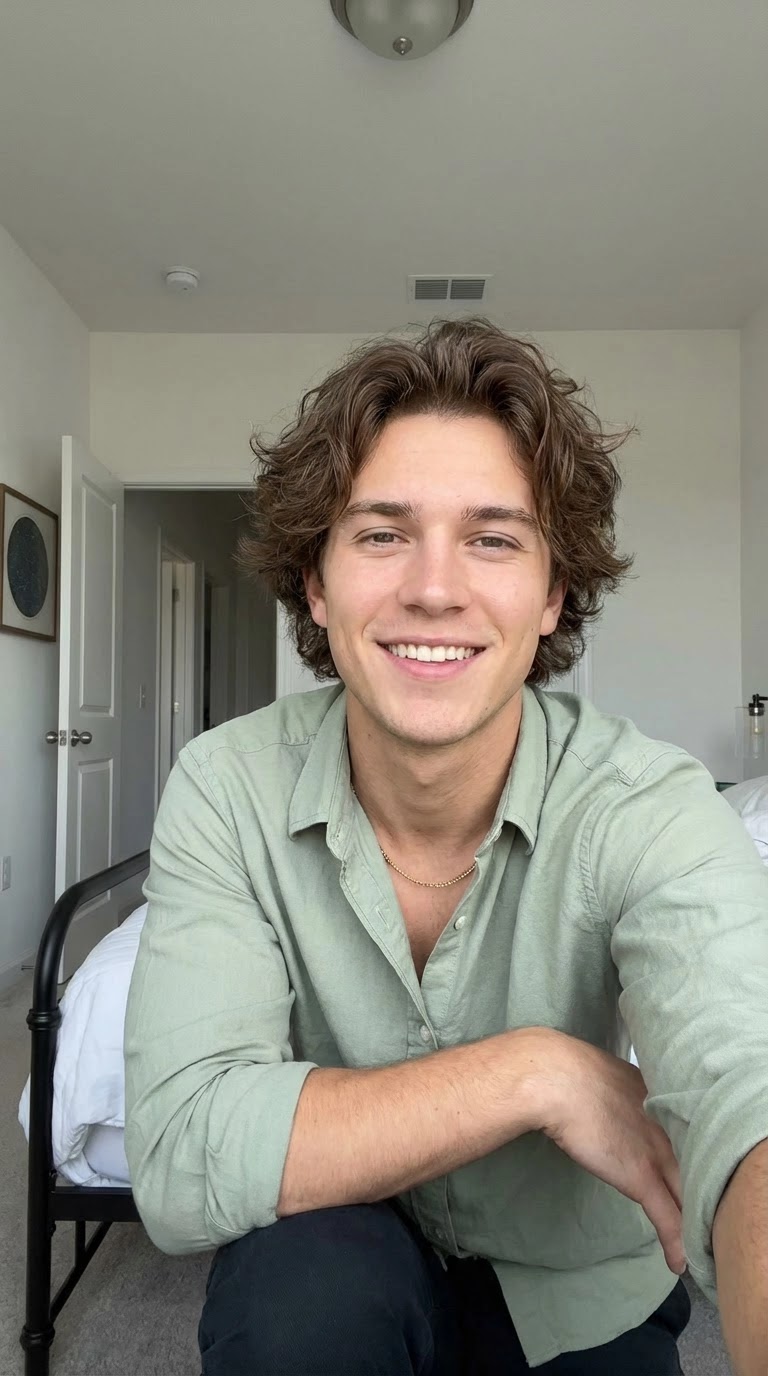
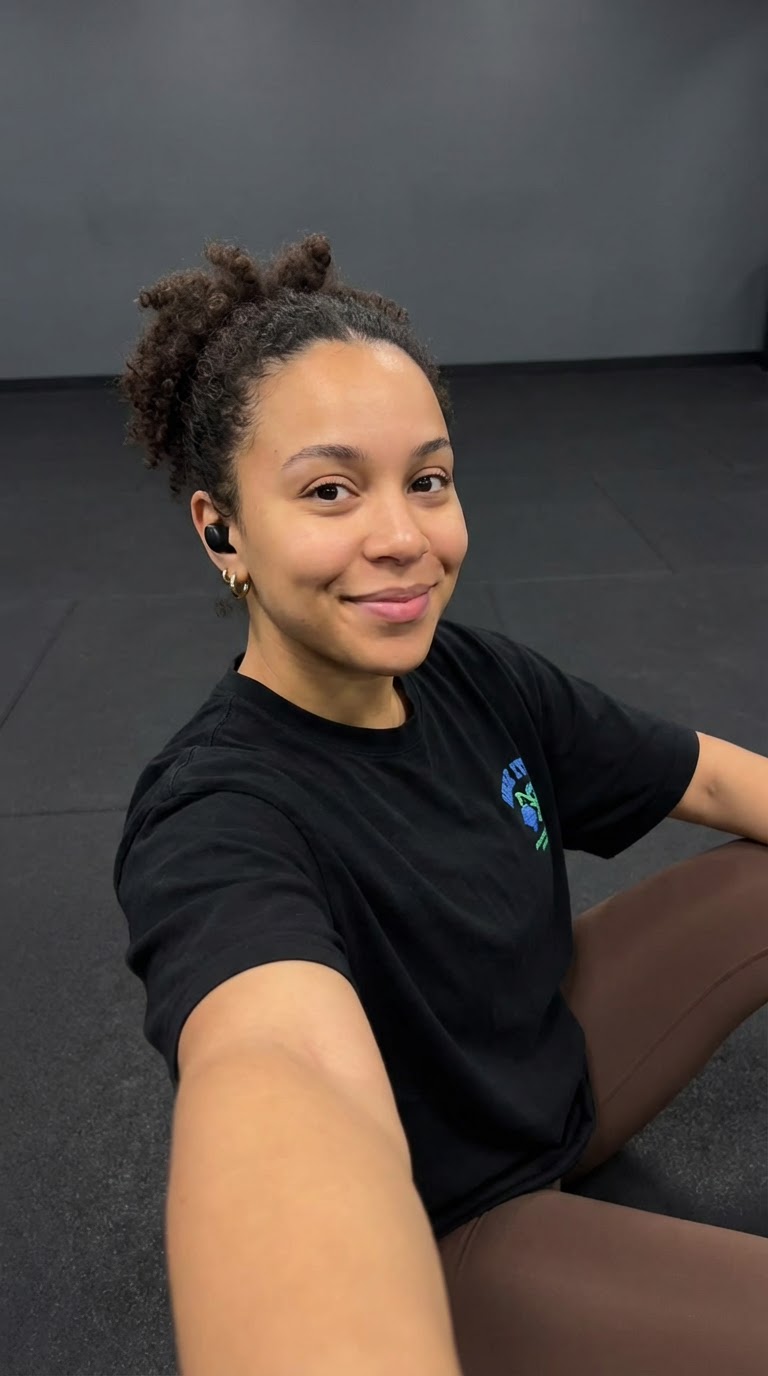
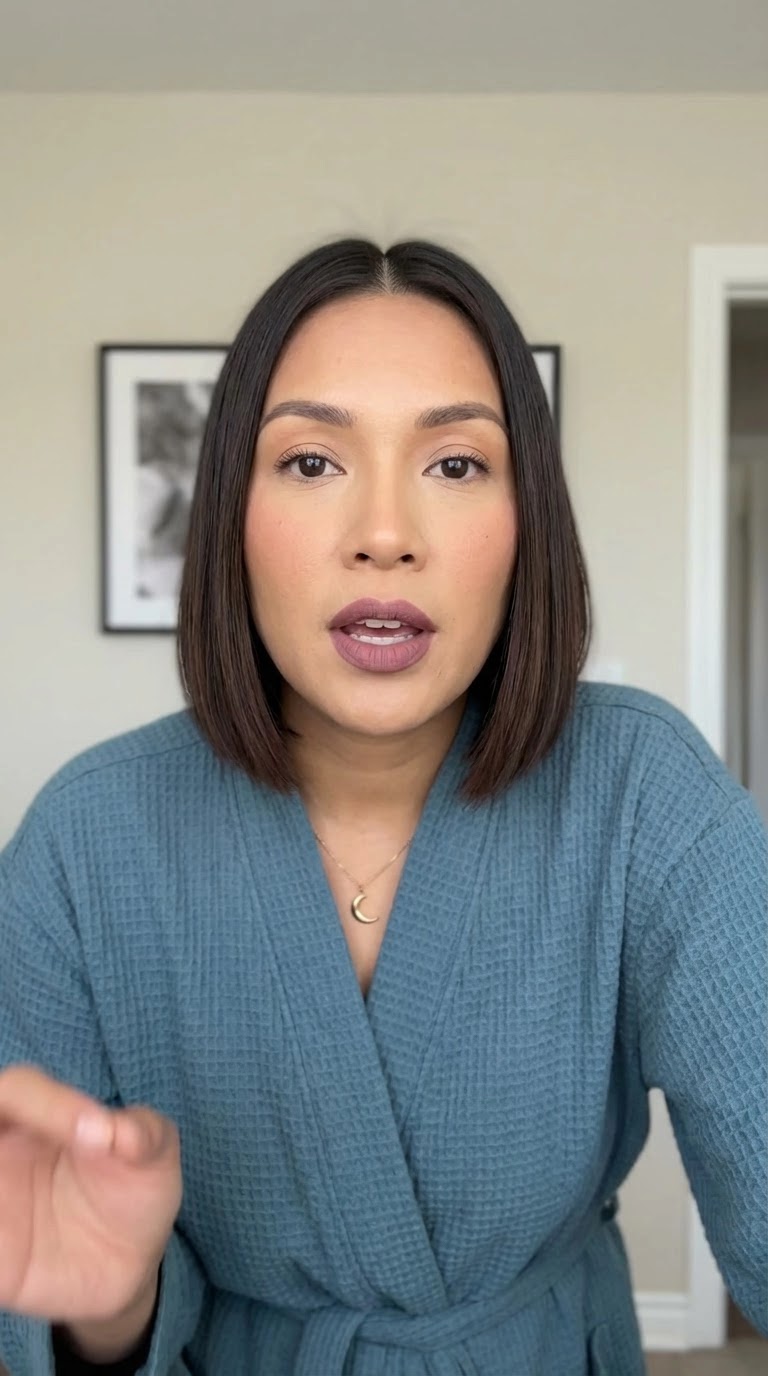
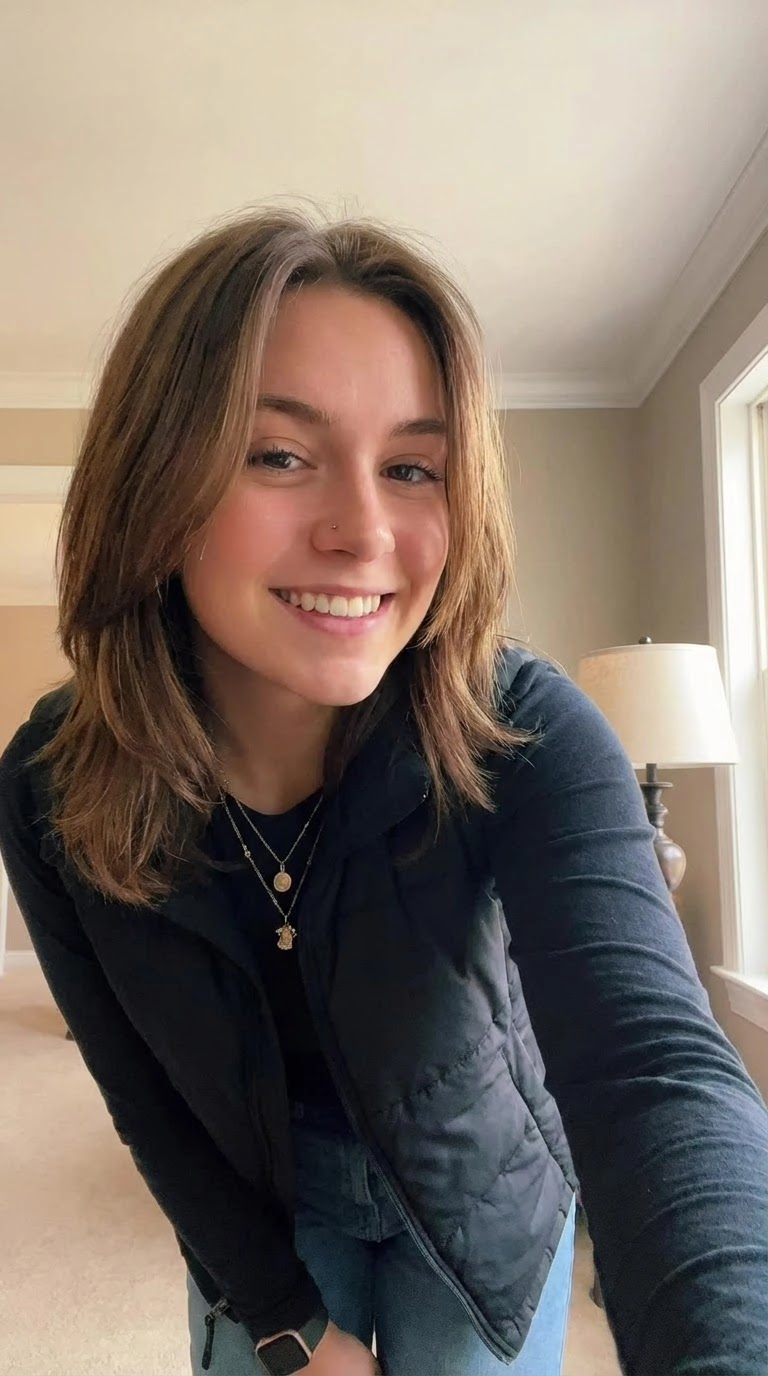
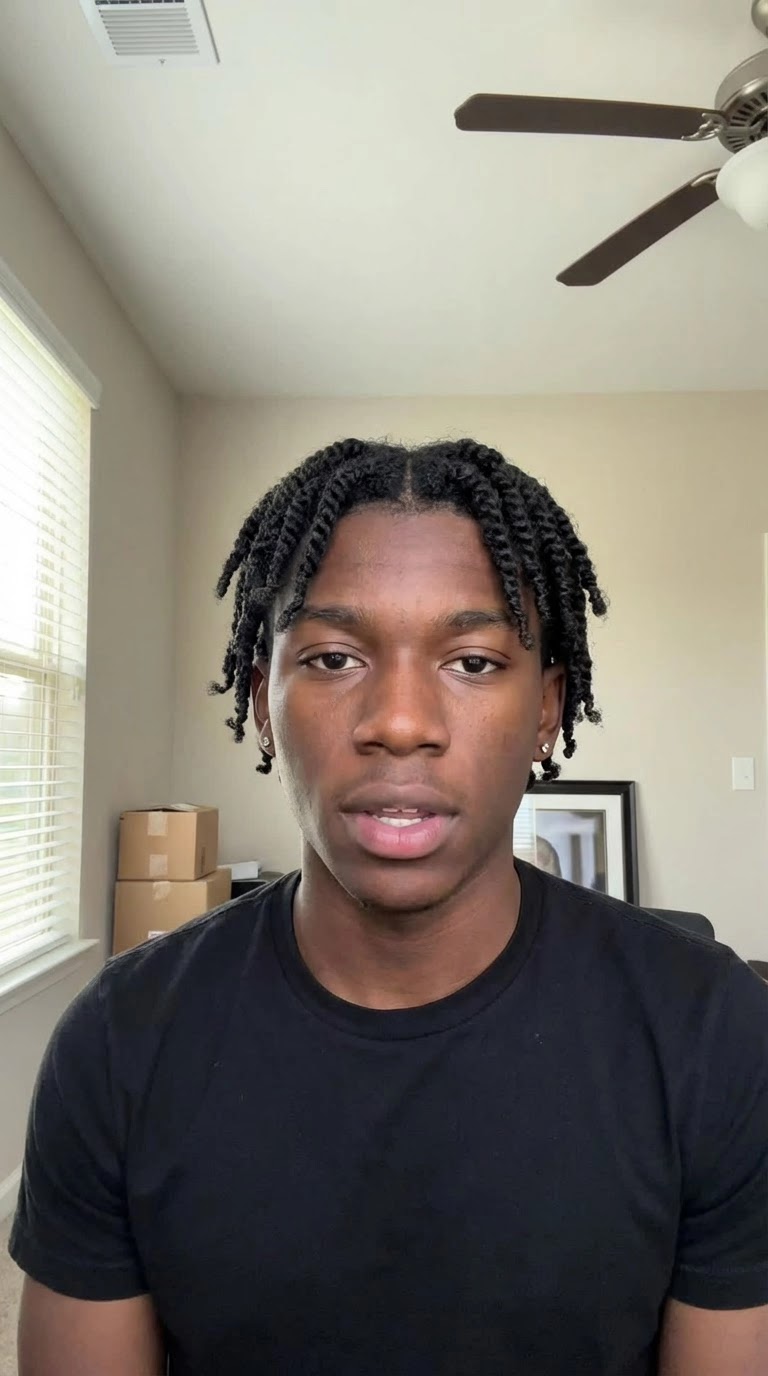
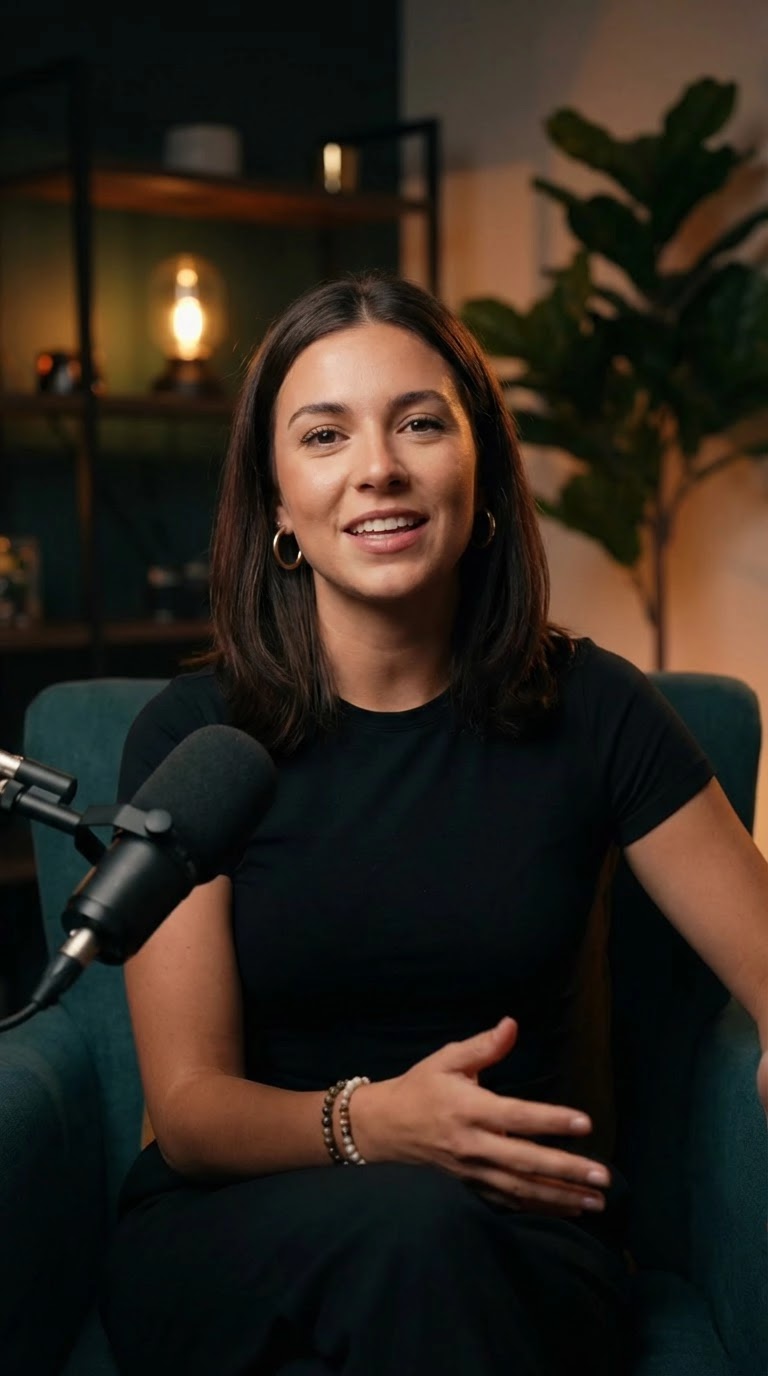
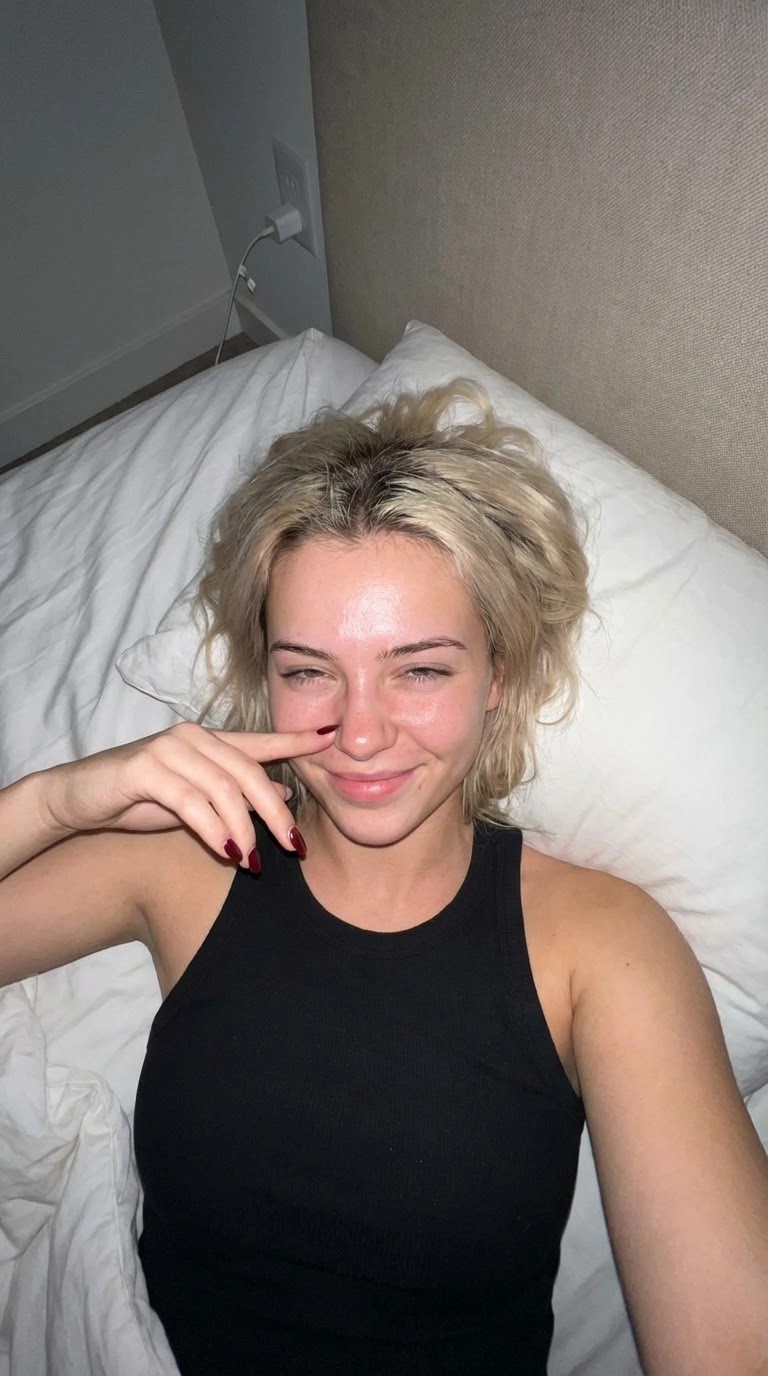
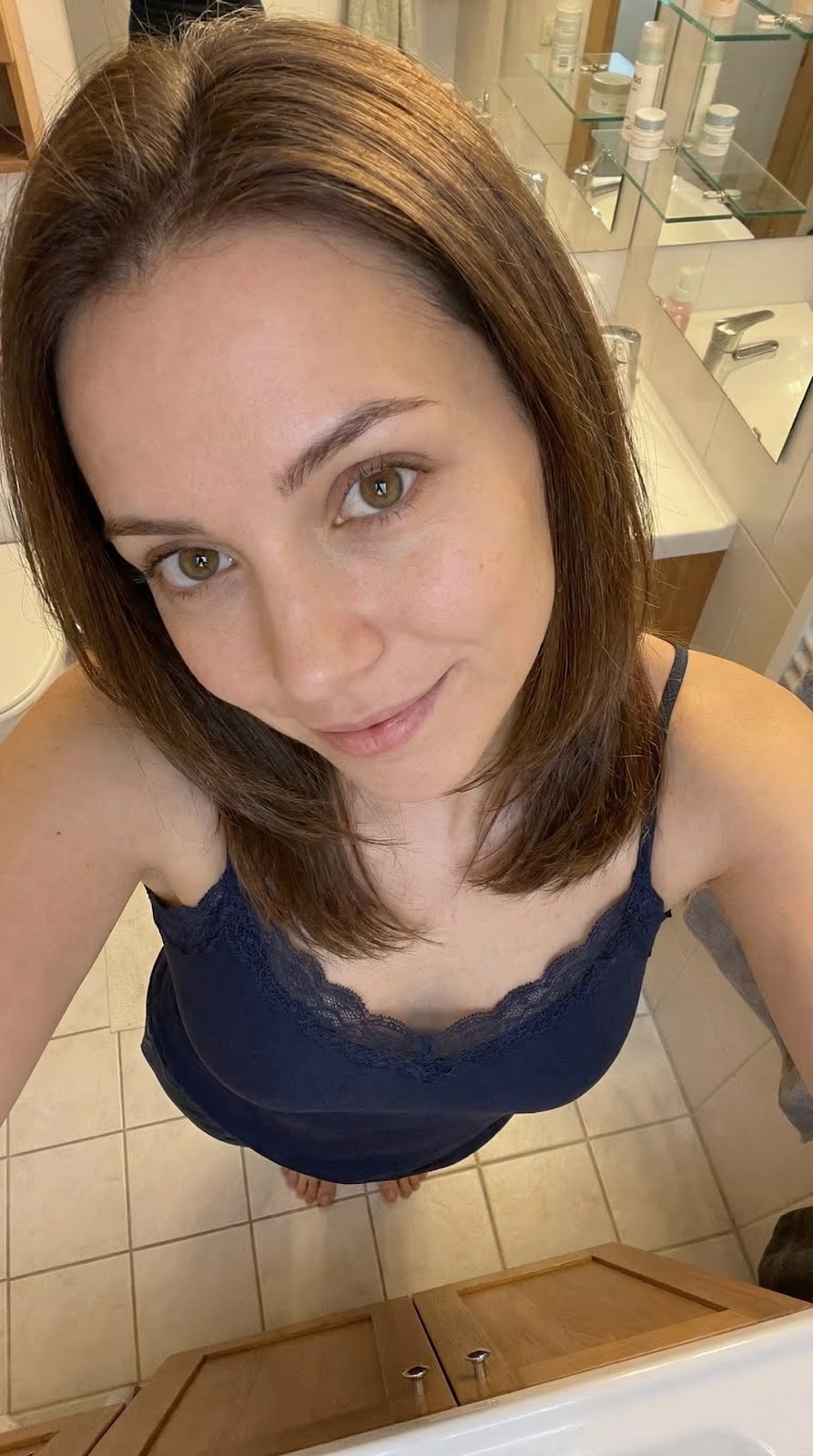
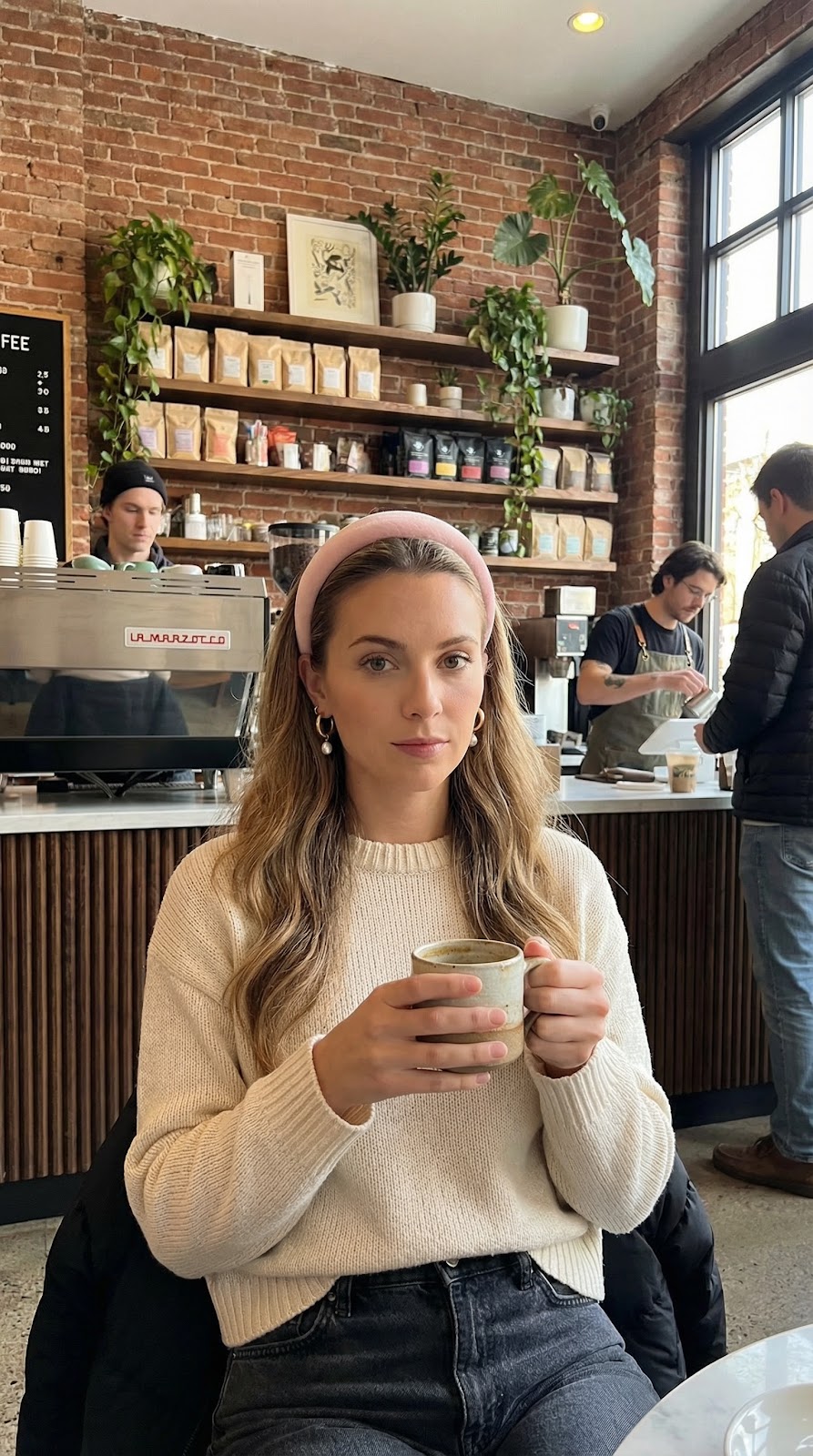
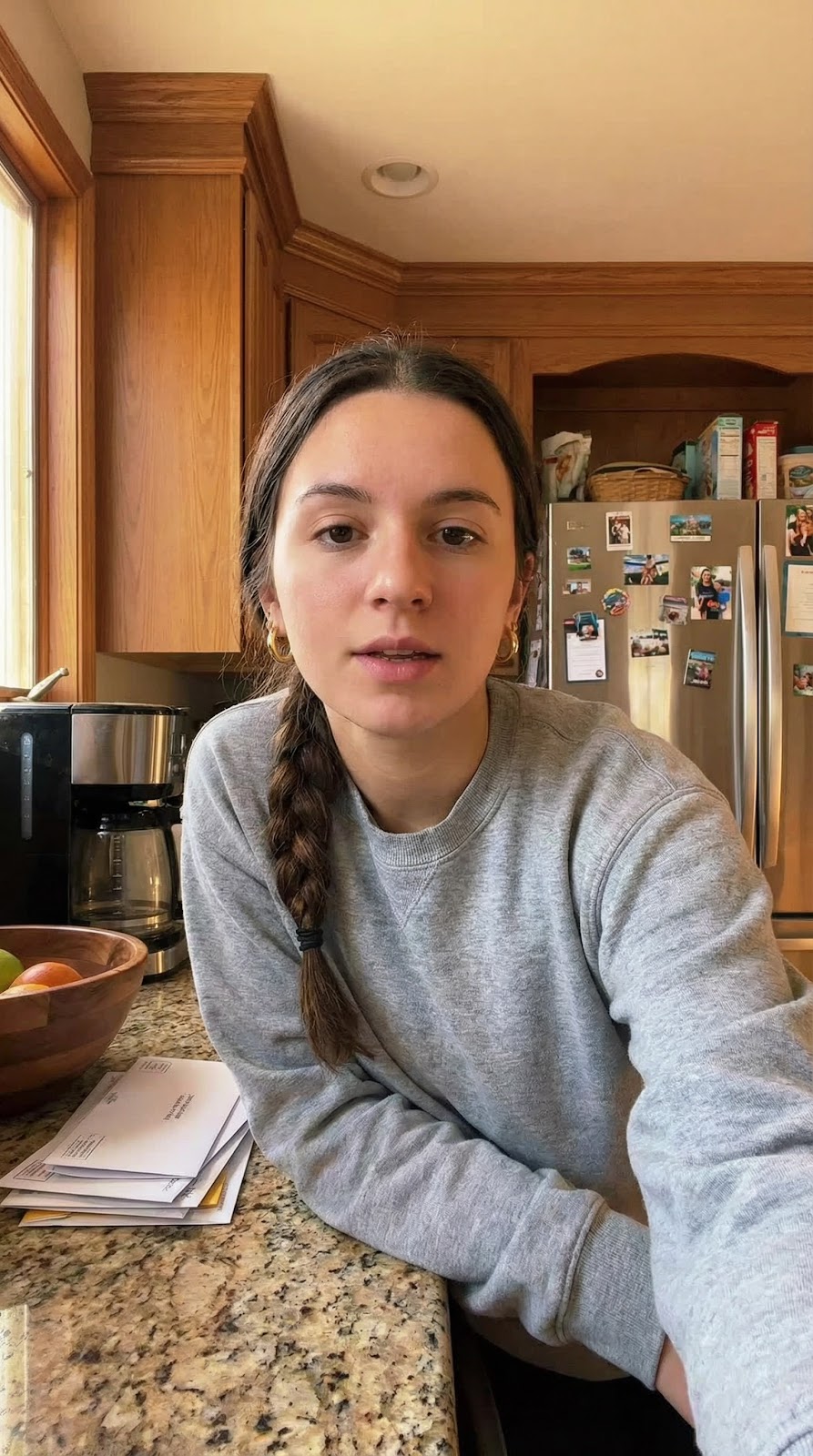
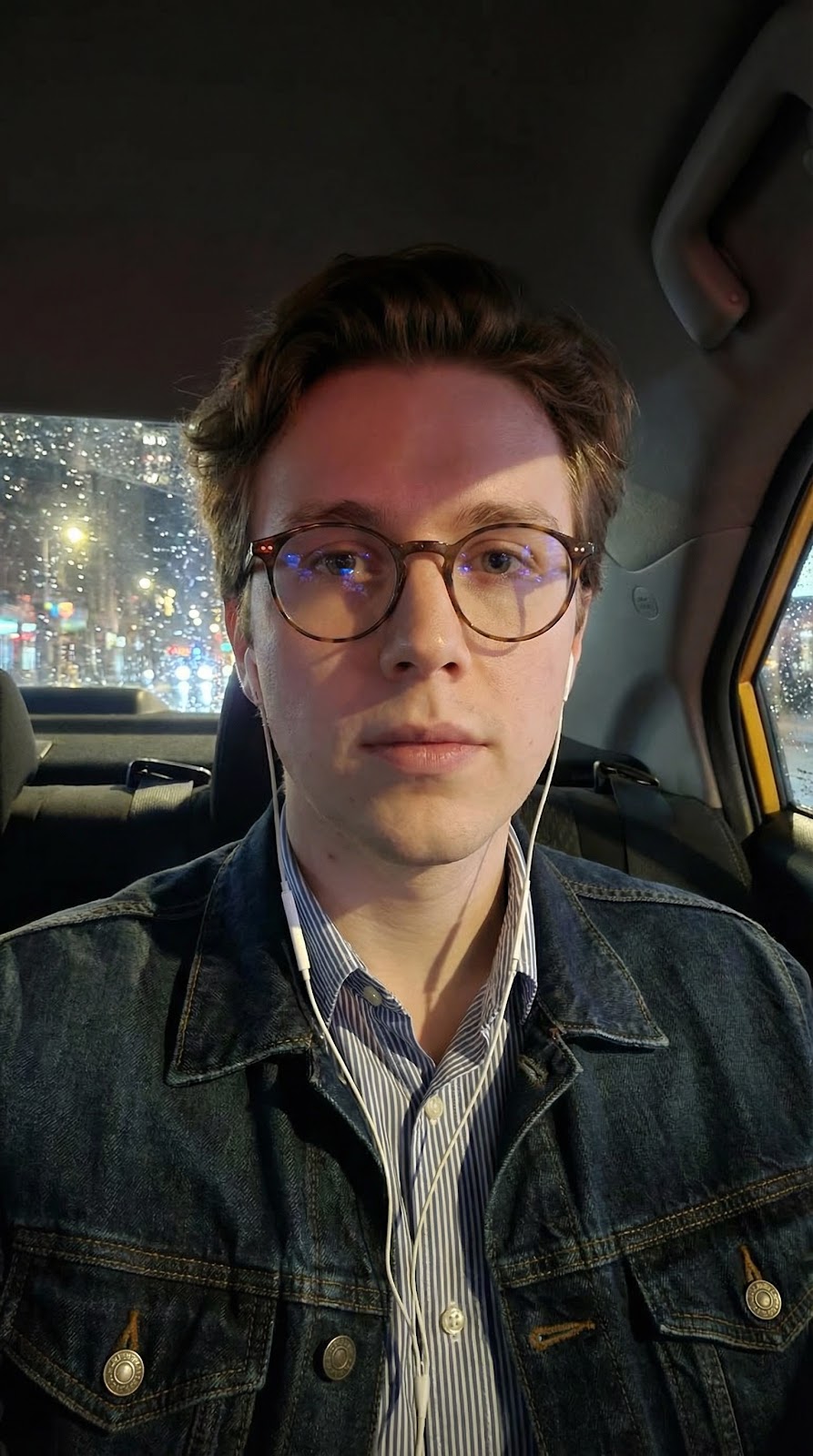
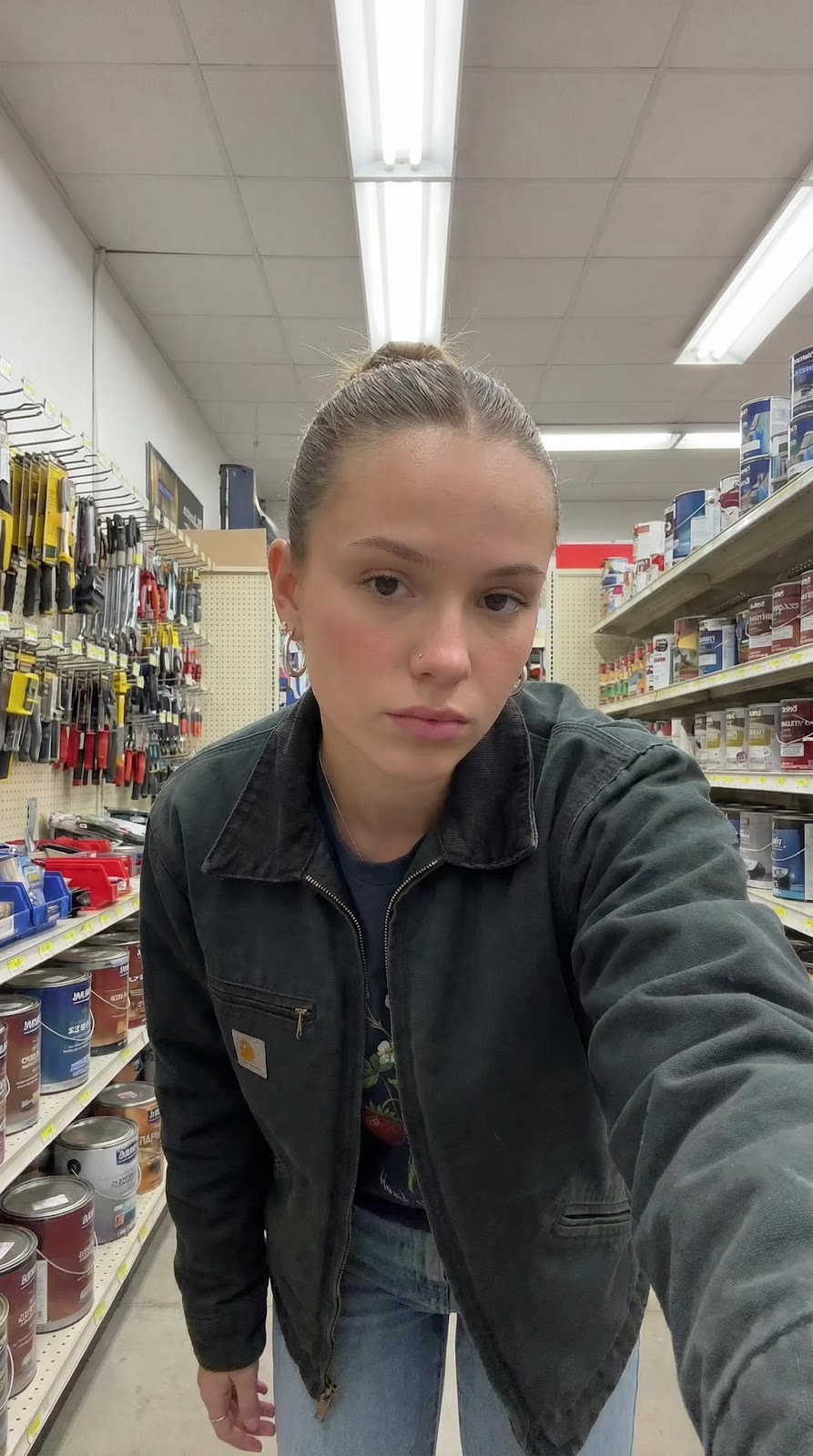
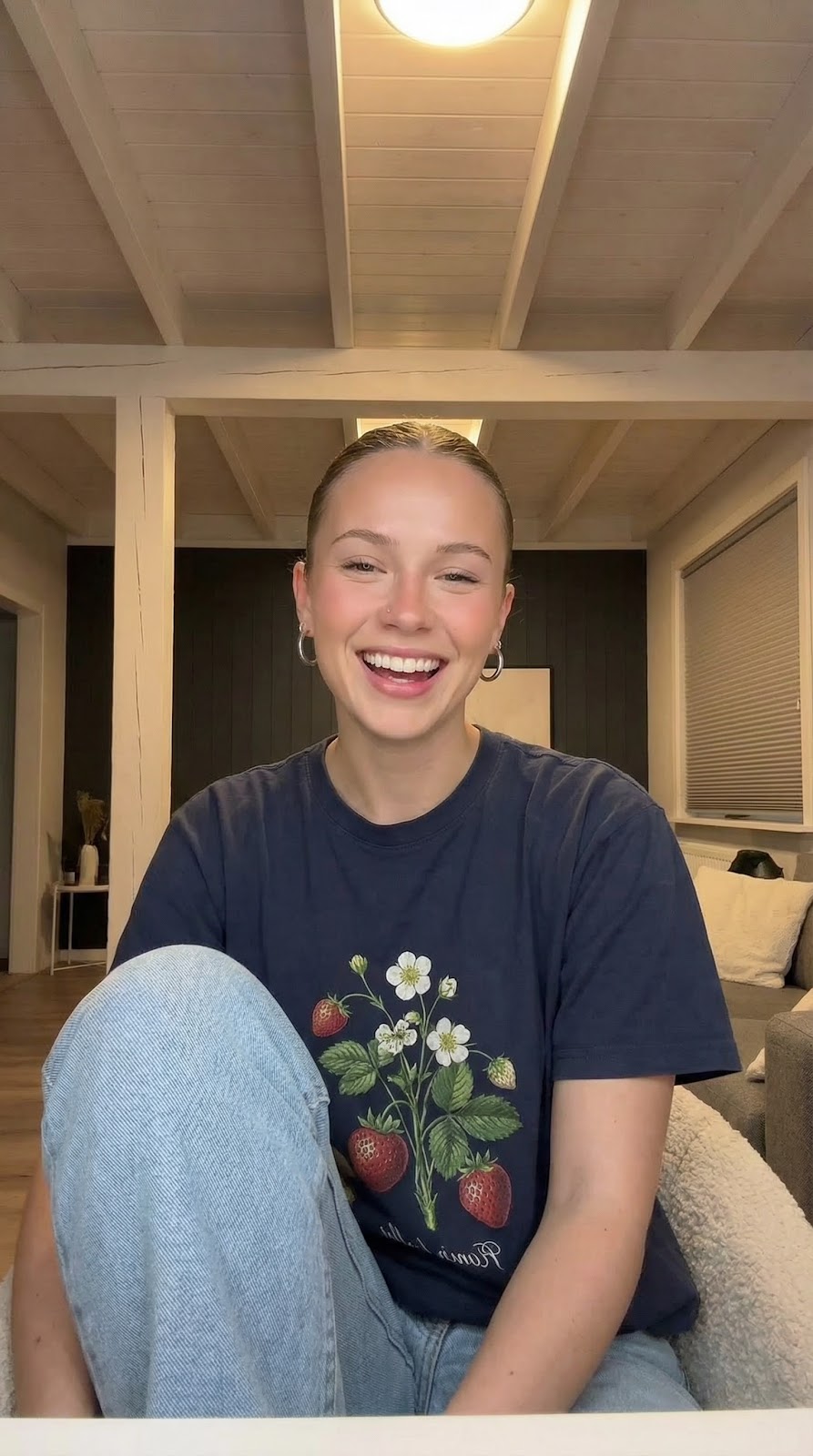
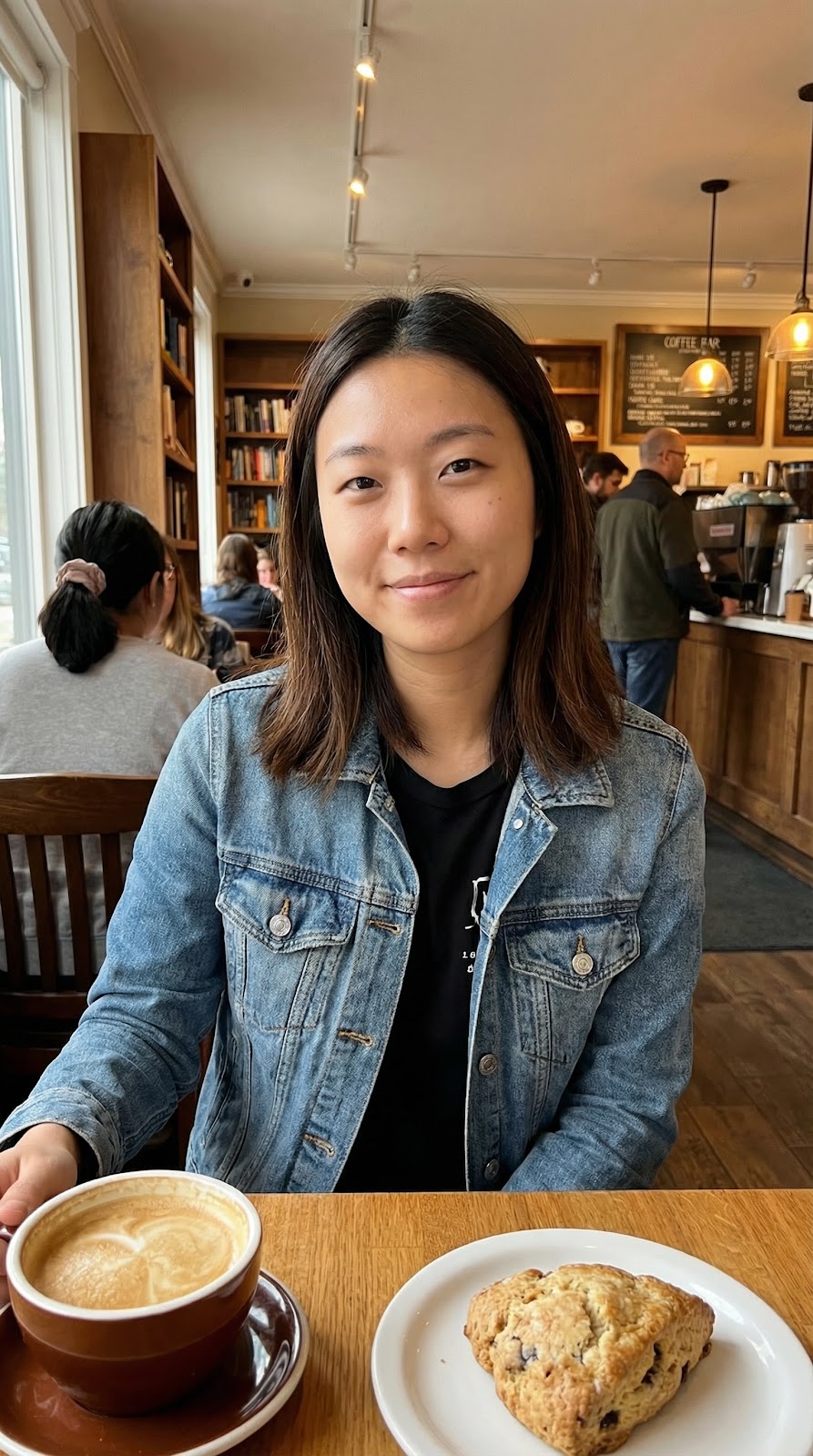
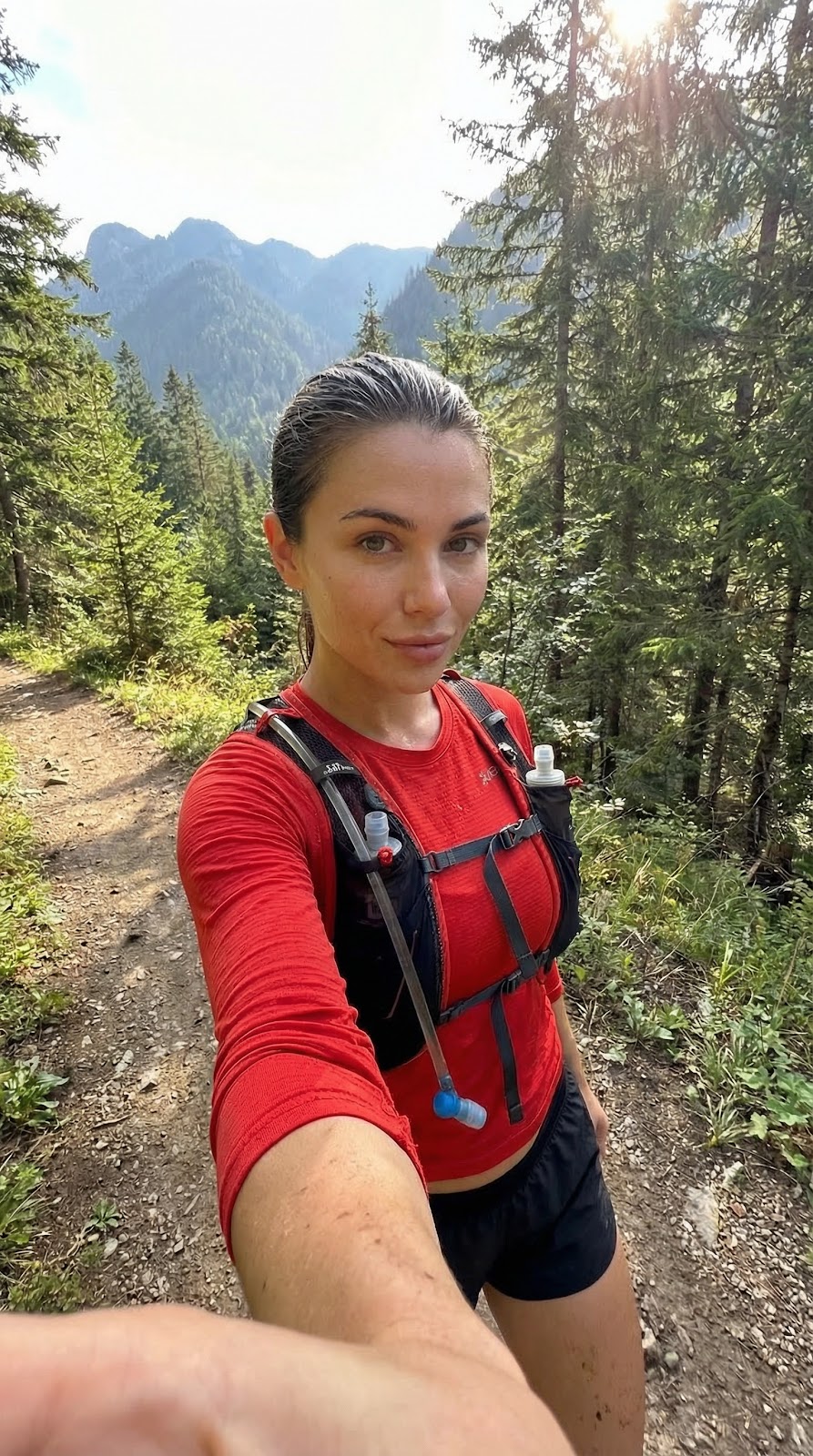
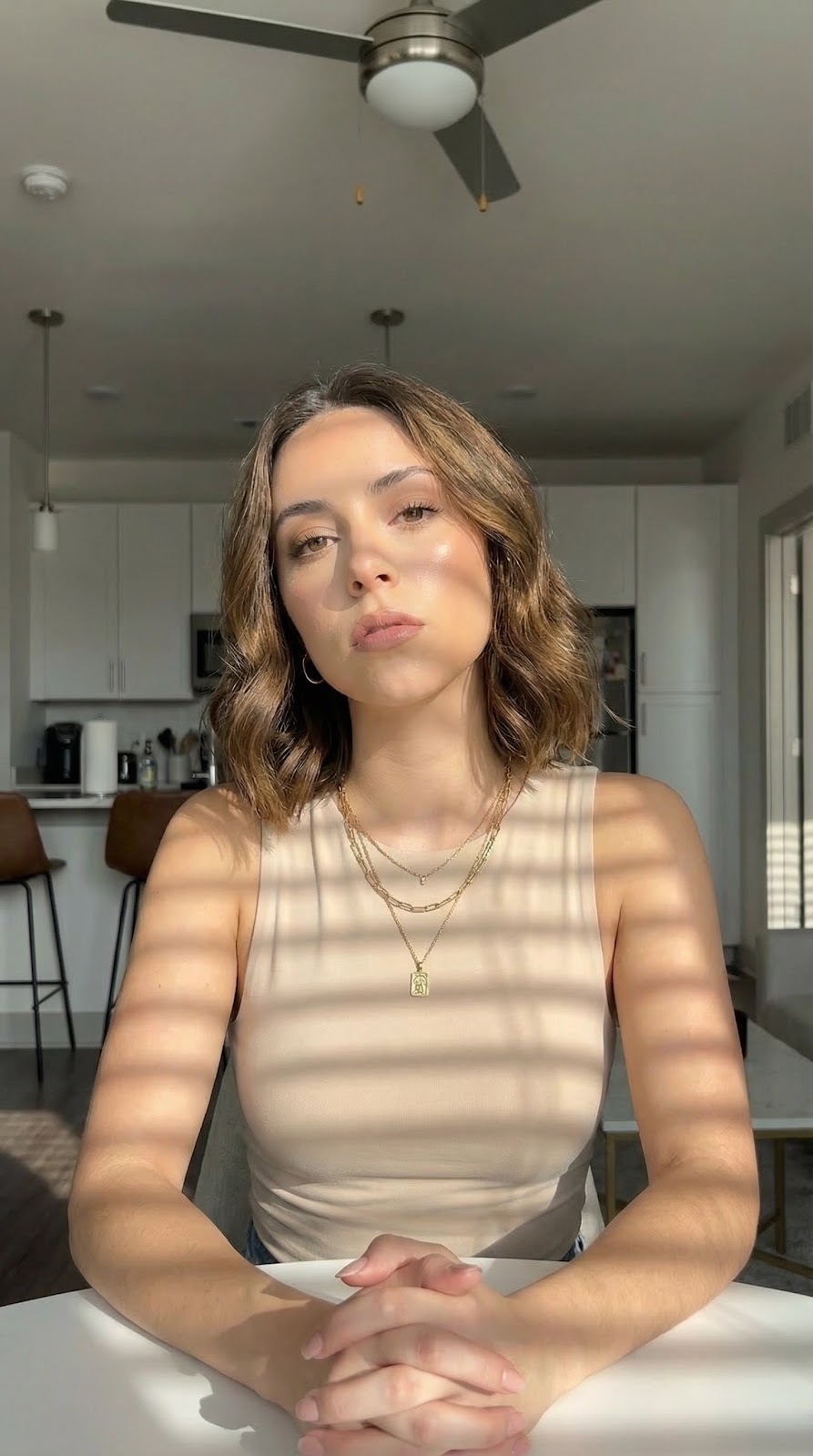
Every pore.
Every detail.
100% AI.
Hoox avatars replicate the natural imperfections of a real face — skin texture, subtle asymmetry, hair grain — making them impossible to tell apart from a real creator.
- Visible pores & natural skin texture
- Hair rendered strand by strand
- Subtle asymmetry & micro-expressions
- Environment-accurate lighting & reflections




with AI in minutes